Colorado native · Perennial
Aspen daisy
Erigeron speciosus
- Elevation
- Up to 9,500 ft
- Water once established
- Low–moderate
- Light
- Sun to part shade
- Height
- 12–18 in
Most soils; avoid waterlogged sites.
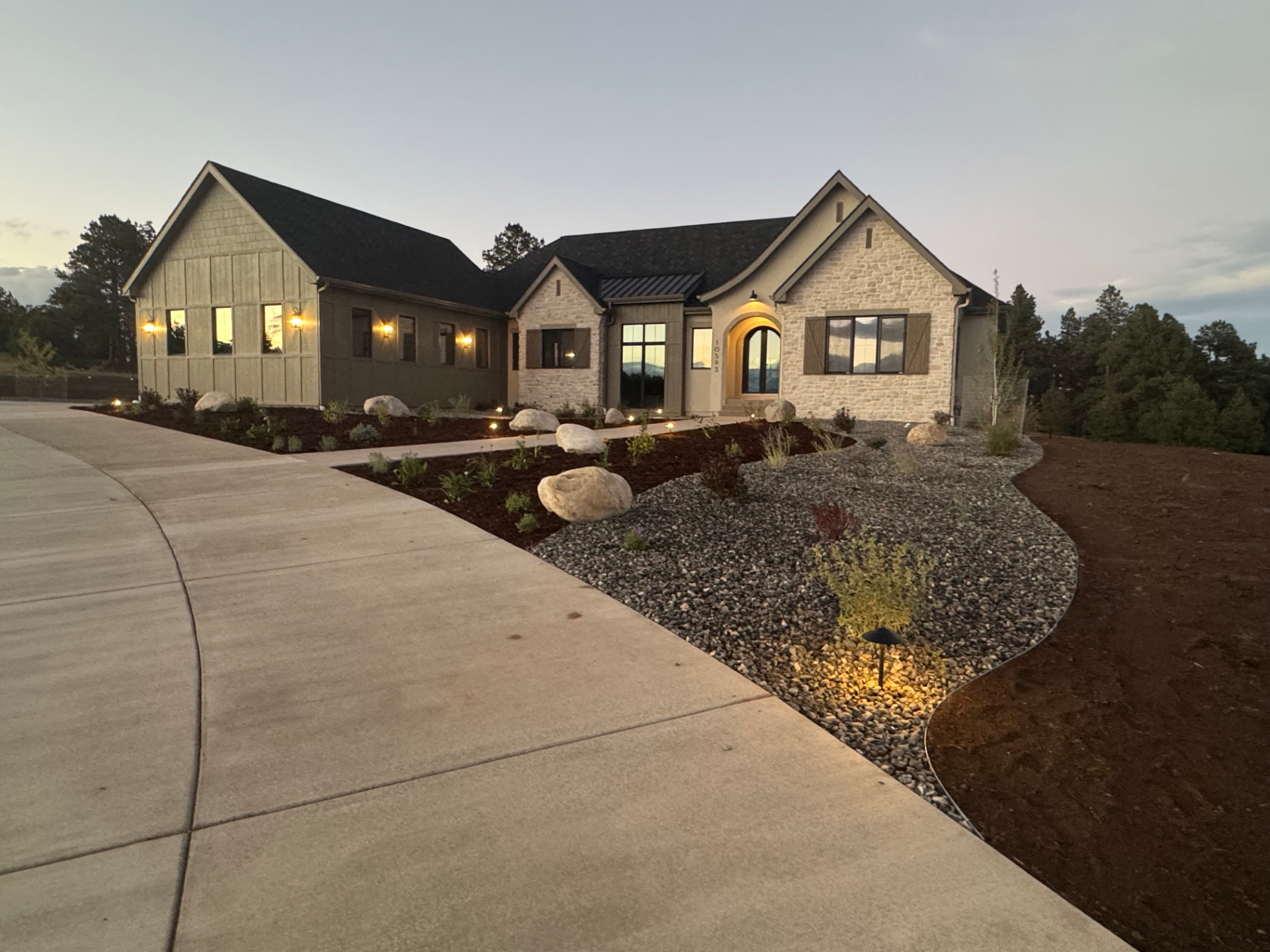
The VistaCraft field guide
A year-round planting calendar, a Colorado-native plant directory, and the foundations of thoughtful drainage and enduring materials.
Along the Front Range, sun, wind, changing temperatures, and variable soils make the details beneath a beautiful landscape matter. Begin with your site—not a shopping list.
Drainage & site planning
Poor drainage can stress planting and undermine the spaces around your home. Colorado clay and compacted soils may drain slowly; expansive soils can move as moisture changes.
CSU Extension explains these risks in its guidance on soil drainage and expansive soils.
Document downspouts, slopes, low spots, irrigation, and where runoff goes during storms or snowmelt. Include neighboring grades and existing drainage easements in the assessment.
Keep drainage directed away from the foundation. Do not remove downspout extensions to irrigate nearby beds; avoid concentrating irrigation against the house.
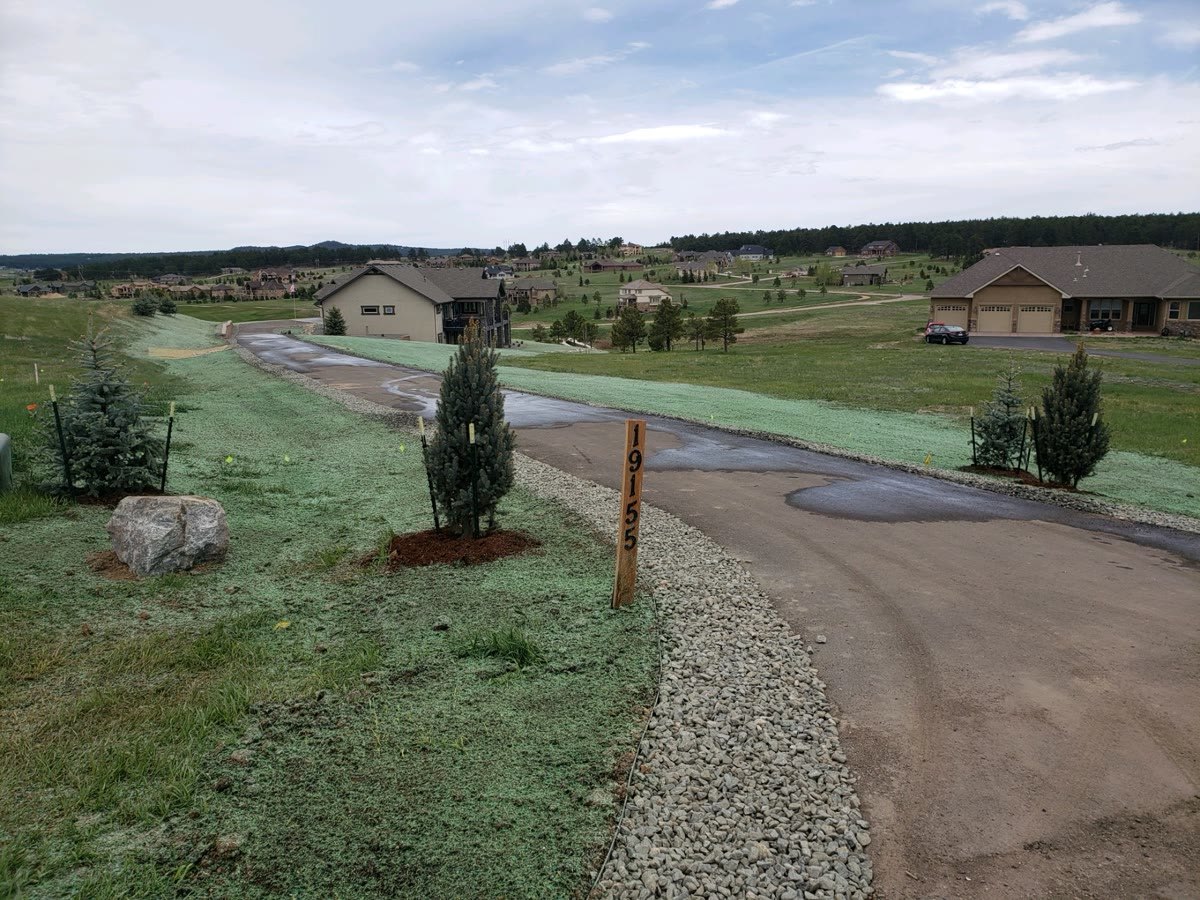
Swales, grading, drains, or dry creek beds serve different purposes. A decorative rock channel is not automatically a drainage solution; confirm its capacity and a suitable discharge location.
Persistent foundation moisture, significant erosion, major grade changes, or structural retaining walls warrant qualified engineering input and a check of local requirements.
Water-wise planting
A water-wise landscape can include trees, seasonal flowers, and useful lawn. The goal is a coherent garden whose water needs match its purpose and conditions.
Choose plants for elevation, winter hardiness, soil drainage, sun, and wind—not just a ‘drought tolerant’ label. Native and adapted plants still need the right location.
Create irrigation zones for plants with similar requirements. Keep lower-water planting separate from higher-water lawn where practical.
Retain usable turf for play and gathering; consider planted beds or other appropriate surfaces in awkward strips and little-used areas.
New plants need attentive watering while roots establish. Use suitable mulch, inspect irrigation, and adjust watering to conditions and your water provider’s current rules.
Further reading: CSU Extension’s water-wise design principles and tree and shrub selection.
A year in your garden
A twelve-month framework for ornamental landscapes—not fixed planting dates. Elevation, frost, snowmelt and workable soil determine when your property is ready.
Elevation choices screen at the exact altitude shown, not an entire regional band. These selections also refine the plant directory below.
January
Review exposure, mature plant size, irrigation zones and local nursery availability. Leave soil undisturbed while frozen or saturated.
Lower elevations: spring and early fall can be opportunities for hardy landscape stock. Wait for workable soil and suitable weather; confirm local frost timing.
A soil test and drainage check are more useful than guessing texture from the surface.
During dry fall/winter spells, water only when air AND soil temperatures are above 40°F and there is no snow cover. Follow local watering rules.
Seasonal guidance adapted from CSU Extension’s mountain gardening advice and fall and winter watering guidance. Monthly tasks are a general planning framework, not species-specific planting instructions.
The right plant, in the right place
Explore 27 Colorado-native perennials, groundcovers and shrubs. Elevation limits are estimates, not guarantees; soil matches are conservative starting points. Low-water plants still need establishment care.
27 of 27 plants
Colorado native · Perennial
Erigeron speciosus
Most soils; avoid waterlogged sites.
Colorado native · Groundcover
Eriogonum umbellatum
Well-drained soil; texture alone does not ensure drainage.
Colorado native · Perennial
Gaillardia aristata
Well-drained soil; avoid persistently wet roots.
Colorado native · Perennial
Geranium viscosissimum
Well-drained soil.
Colorado native · Perennial
Geum triflorum
Prefers moist clay or organic soils; not stagnant standing water.
Colorado native · Perennial
Helianthus maximiliani
Most soils; more vigorous spreading in moist conditions.
Colorado native · Perennial
Ipomoea leptophylla
Sandy or sandy-loam soils; large taproot needs room.
Colorado native · Perennial
Liatris punctata
Well-drained soil.
Colorado native · Perennial
Linum lewisii
Well-drained soil.
Colorado native · Perennial
Monarda fistulosa
Well-drained soil; allow good air circulation.
Colorado native · Perennial
Mirabilis multiflora
Well-drained soil.
Colorado native · Perennial
Oenothera caespitosa
Well-drained soil.
Colorado native · Perennial
Pulsatilla patens
Well-drained soil.
Colorado native · Perennial
Penstemon ambiguus
Sandy soils; not a heavy-clay choice.
Colorado native · Perennial
Penstemon barbatus
Well-drained soil.
Colorado native · Groundcover
Penstemon caespitosus
Well-drained soil; suited to rock-garden settings with a viable root zone.
Colorado native · Perennial
Penstemon secundiflorus
Rocky soils; provide enough soil volume for roots.
Colorado native · Perennial
Penstemon strictus
Well-drained soil; avoid crowded planting.
Colorado native · Perennial
Penstemon virens
Rocky soils; suitable for rock gardens with a rootable planting pocket.
Colorado native · Perennial
Penstemon whippleanus
Adaptable to moister soils; drainage still needs site review.
Colorado native · Perennial
Ratibida columnifera
Well-drained soil.
Colorado native · Perennial
Rudbeckia hirta
Most soils; maintain appropriate root-zone moisture.
Colorado native · Perennial
Solidago canadensis
Clay or loam soils.
Colorado native · Groundcover
Zinnia grandiflora
Requires well-drained soil; keep within its elevation guidance.
Colorado native · Shrub
Purshia tridentata
Requires dry, coarse soils.
Colorado native · Shrub
Ribes aureum
Well-drained sites.
Colorado native · Shrub
Arctostaphylos patula
Does best in well-drained soils.
Plant records are adapted from CSU Extension’s native perennial tables and native shrub tables. Bloom windows use CSU’s early/mid/late seasons and shift with climate. Texture tags do not account for compaction, pH, salinity or drainage. Confirm your exact elevation, USDA hardiness zone, local conditions and cultivar before purchasing. Native does not mean pet-safe, deer-proof or appropriate for a wildfire defensible space.
Stone, concrete & construction
For exterior surfaces, ask how the entire assembly handles water, seasonal movement, winter use, and maintenance. No material makes a poorly prepared site durable.
Discuss the specified base, compaction, edge restraints, joints, and drainage. Ask about the product’s suitability for the intended pedestrian or vehicle loads and local freeze-thaw exposure.
How will the base and drainage be detailed for this property?
Select stone for its intended exterior application, not color alone. Compare surface traction, thickness, installation method, and supplier guidance for weather exposure.
Is this stone suitable for wet paths, steps, and winter conditions?
Discuss the mix specification, site preparation, joints, finish, and curing. Decorative or stamped concrete still needs proper construction and a winter-care plan.
What specification and maintenance guidance apply to this finish?
For concrete construction background, see the American Cement Association’s placement, finishing, and curing guidance. Follow the installer and manufacturer’s care instructions, including guidance on sealers and deicing products.
Before your site consultation
General homeowner guidance, reviewed November 2026. Conditions vary across Colorado. Plant selection, drainage design, engineering, permits, and construction specifications require a property-specific assessment. This guide is not a substitute for professional engineering or local authority requirements.